
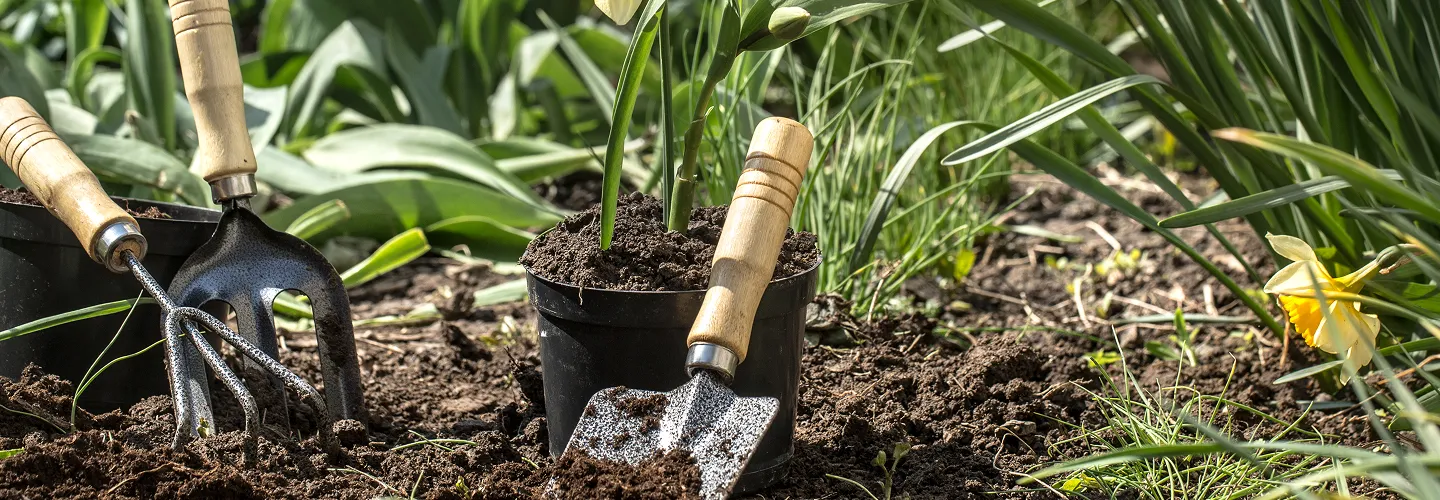
Tinley Park Brush Removal Services
Choose our professional brush removal for fast, reliable, and eco-friendly clearing—so you can enjoy a safer, more beautiful outdoor space without the hassle.
Get a Free QuoteOur Tinley Park Landscaping & Yard Care Services
When to Schedule Brush Removal in Tinley Park, IL – Seasonal Guide
In Tinley Park, the best times for brush removal are typically late winter through early spring and again in late fall. These periods align with the region’s climate, which features cold, snowy winters and warm, humid summers. Scheduling brush removal before the last frost—usually in late March—helps prevent new growth from being damaged and prepares your yard for the active growing season. Similarly, removing brush in late fall, after most leaves have dropped but before heavy snowfall, ensures your property in neighborhoods like Brookside Glen or near Centennial Park remains tidy and safe.
Local environmental factors play a significant role in determining the optimal timing. Tinley Park’s clay-heavy soils can retain moisture, making spring and fall less prone to drought stress compared to summer. Dense shade from mature trees in areas like Pottawattomie Park can slow brush drying, while high humidity in July and August increases the risk of mold and pests. It’s also important to consider municipal guidelines and seasonal restrictions, which can be found on the Tinley Park Official Website, to ensure compliance with local regulations.
Local Factors to Consider for Brush Removal in Tinley Park
- Tree density and shade coverage, especially in established neighborhoods
- Soil type (clay soils may require different timing than sandy areas)
- Typical precipitation patterns and risk of summer drought
- Frost dates and timing of new plant growth
- Terrain and accessibility (e.g., sloped lots near Vogt Woods)
- Municipal restrictions or scheduled brush collection dates
Benefits of Brush Removal in Tinley Park

Enhanced Curb Appeal
Improved Lawn Health
Reduced Pest Infestations
Increased Usable Space
Fire Hazard Reduction
Professional and Timely Service
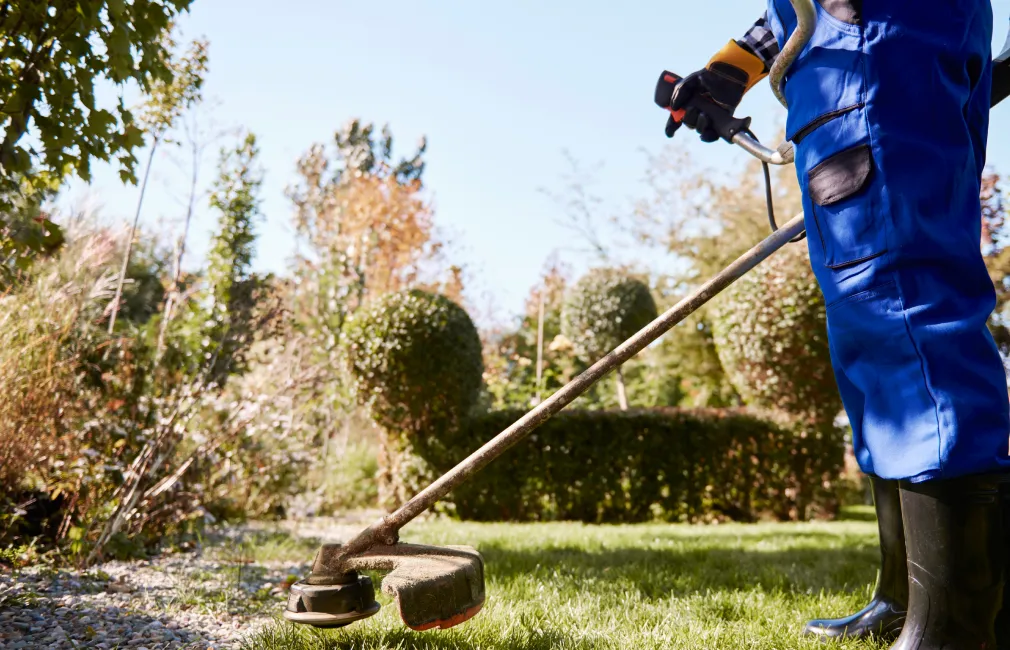
Tinley Park Brush Removal Types

Tree Limb Removal
-
Shrub and Bush Clearing
-
Yard Waste Hauling
-
Stump and Root Extraction
-
Overgrown Vegetation Removal
-
Storm Debris Cleanup
-
Lot and Land Clearing
Our Brush Removal Process
Site Evaluation
Safety Preparation
Brush Clearing
Debris Removal
Final Inspection
Why Choose Tinley Park Landscape Services

-
Tinley Park Homeowners Trust Us
-
Expert Lawn Maintenance
-
Competitive Pricing
-
Professional Team
-
Satisfaction Guarantee
-
Personalized Service
-
Reliable Scheduling
Contact Tinley Park’s Department of Public Works for Brush Disposal & Municipal Chipping Programs
Tinley Park offers comprehensive brush disposal programs to support responsible vegetation management and environmental compliance. Residents can utilize seasonal curbside yard waste collection, typically available from April through November. Bundles must be under 4 feet in length, weigh less than 50 pounds, and be tied with biodegradable twine—plastic is strictly prohibited. Yard waste drop-off sites are available with posted hours; resident permits or stickers may be required, and commercial contractors should verify fee structures for bulk loads. Municipal chipping services are coordinated through the Department of Public Works, with finished mulch often available for residents. These programs are designed to comply with the Illinois Environmental Protection Act (415 ILCS 5), which prohibits brush in household trash and mandates the use of biodegradable bags or rigid containers. Strictly avoid placing brush in streets or storm drains to protect the Lake Michigan watershed and prevent MS4 violations. For more information, contact:
Tinley Park Department of Public Works
16250 S. Oak Park Ave., Tinley Park, IL 60477
Phone: (708) 444-5500
Official Website: Tinley Park Public Works Department
Tinley Park Fire Department Coordination for Open Burning Permits & Safety Requirements
Open burning of brush is highly regulated in Tinley Park and throughout Cook County, with many municipalities prohibiting or strictly limiting this practice. Where permitted, residents must obtain a daily open burning permit from the Fire Department, adhere to setback requirements (typically 50-150 feet from structures), and ensure constant supervision with a water source on hand. Burning is never allowed during red flag warnings or county-wide bans, and only clean, dry brush may be burned—leaves, treated wood, and plastics are strictly prohibited. Always monitor weather conditions using National Weather Service Chicago forecasts and follow cancellation procedures during high-risk periods. Creating defensible space around structures and maintaining emergency vehicle access are essential for fire safety. For current regulations and permit procedures, contact:
Tinley Park Fire Department
17355 S. 68th Court, Tinley Park, IL 60477
Phone: (708) 444-5200
Official Website: Tinley Park Fire Department
Understanding Brush Types, Invasive Species & Specialized Disposal in Tinley Park’s Heavy Clay Soils
Tinley Park’s brush management must address several invasive species common to the Chicago area, including:
- Buckthorn (Rhamnus cathartica, Frangula alnus)
- Bush Honeysuckles (Lonicera spp.)
- Multiflora Rose (Rosa multiflora)
- Autumn Olive (Elaeagnus umbellata)
These species require specialized removal and disposal protocols:
- Remove before seed set (June-September)
- Bag all berries and seeds for landfill disposal (never compost or chip)
- Sanitize equipment between sites
- Coordinate with the Illinois Department of Natural Resources and Illinois EPA
Hazardous vegetation such as poison ivy, wild parsnip, and tick habitats require protective measures. Restoration with native species (oak, serviceberry, viburnum) supports ecological health and aligns with local conservation goals, including those of the Cook County Forest Preserve District.
Tinley Park Environmental Commission Requirements for Brush Removal Near Wetlands & Protected Areas
Brush removal near Tinley Park’s wetlands, streams, and protected areas is subject to oversight by the Environmental Commission. Permits may be required for work within 10-25 feet of sensitive habitats, and erosion control is critical on slopes, especially in heavy clay soils prone to runoff. Wildlife protection is mandatory during the April-August breeding season, including surveys for nesting birds and inspections for active dens or bat roosts. Selective removal techniques help preserve beneficial habitat features, and immediate site stabilization (silt fencing, mulching) is required to prevent soil loss. For guidance and permit requirements, contact:
Environmental Enhancement Commission
16250 S. Oak Park Ave., Tinley Park, IL 60477
Phone: (708) 444-5000
Official Website: Environmental Enhancement Commission
Professional Safety Standards, Equipment Requirements & Utility Coordination (JULIE 811) for Brush Removal
Professional brush removal in Tinley Park requires adherence to strict safety and certification standards:
- ISA Certified Arborist for complex removals
- Equipment operator certification (brush hogs, chippers)
- Comprehensive PPE: chainsaw chaps, gloves, eye and hearing protection, steel-toed boots
- Daily equipment inspections and emergency response protocols
- Commercial liability insurance (minimum $1M per occurrence), workers’ compensation, and bonding for municipal contracts
- Mandatory utility location through JULIE 811 - Call Before You Dig at least 48-72 hours before excavation or stump removal
- Maintain safe distances from overhead and underground utilities
These standards protect workers, residents, and critical infrastructure during all phases of brush management.
Seasonal Timing, Wildlife Protection & Weather Coordination for Tinley Park’s Climate Zone 5a-6a
Optimal brush removal timing in Tinley Park is shaped by climate, wildlife, and soil conditions:
- Winter (December-March): Frozen ground minimizes soil compaction and rutting in heavy clay soils
- Early Spring (March-April): Before bird nesting season and after ground thaws
- Late Fall (October-November): After breeding season, before ground freezes
- Avoid May-August: Peak wildlife breeding and fire risk during dry periods
Monitor weather using National Weather Service Chicago for wind, precipitation, and temperature. Avoid work on saturated soils to prevent rutting, and comply with fire weather advisories. Wildlife surveys are required before removal during breeding season, and documentation is necessary for protected species encounters.
Post-Removal Site Restoration & Stormwater Management in Compliance with Tinley Park’s MS4 Program
After brush removal, immediate site restoration is essential to protect the Lake Michigan watershed and comply with Tinley Park’s MS4 permit under the Clean Water Act. Key steps include:
- Erosion control for exposed clay soils (mulching, silt fencing, erosion blankets)
- Native species reestablishment (Illinois-adapted shrubs, grasses, forbs)
- Soil amendment and decompaction if needed
- Construction phase protection (equipment staging, daily cleanup)
- Long-term monitoring for invasive regrowth (buckthorn, honeysuckle)
- Herbicide use only by licensed applicators per Illinois Department of Agriculture - Pesticide Regulations
Coordinate with the Illinois EPA Water Quality & Watershed Management for best practices.
Storm Debris Management & Emergency Response Coordination with Tinley Park
Severe weather events in the Chicago area require coordinated storm debris management. After storms, Tinley Park issues emergency collection announcements and may extend yard waste drop-off hours or establish temporary sites. Residents must separate organic brush from other debris and place it at the curb without blocking streets. Priority is given to emergency routes and major thoroughfares, with coordination among Public Works, Police, and Fire Departments. For major disasters, FEMA documentation and temporary debris storage sites may be activated. Safety protocols include utility coordination (ComEd, Nicor), traffic control, and public safety measures. For emergency procedures, contact:
Tinley Park Police Department
7850 W. 183rd St., Tinley Park, IL 60477
Phone: (708) 532-9111
Official Website: Tinley Park Police Department
What Neighborhoods Do We Serve Throughout Tinley Park, IL?
Tinley Park’s neighborhoods present diverse brush management challenges:
- Historic District: Mature buckthorn infestations, narrow streets, overhead utilities, high restoration expectations
- Brookside Glen: Newer development, less invasive pressure, HOA landscaping standards, good equipment access
- Tinley Downs: Proximity to wetlands, conservation easements, clay soils with seasonal high water table
- Brementowne: Dense brush, mature tree canopy, alley access, older infrastructure
- Pottawattomie Park: Adjacent to forest preserve, high wildlife value, fire risk during drought
- Fairmont Village: Planned community, deed restrictions, stormwater management features
- Parkside: Near Park District facilities, chipping service availability, busy streets requiring traffic control
Each area requires tailored disposal logistics, environmental sensitivity, and compliance with municipal programs.
Tinley Park Municipal Ordinances for Brush Removal Equipment Operation & Commercial Service Standards
Tinley Park enforces municipal ordinances to ensure safe and responsible brush removal:
- Equipment operation hours: typically 7 AM-9 PM weekdays, 8 AM-9 PM Saturdays (verify Sunday restrictions)
- Noise restrictions and public safety requirements
- Commercial licensing and insurance: proof of liability, workers’ compensation, and bonding
- Traffic control and emergency access standards for work in public rights-of-way
- Enforcement through Code Enforcement and Community Development
For detailed regulations and permit requirements, contact:
Tinley Park Community Development Department
16250 S. Oak Park Ave., Tinley Park, IL 60477
Phone: (708) 444-5100
Official Website: Tinley Park Community Development
By following these comprehensive guidelines, Tinley Park residents and contractors can ensure safe, environmentally responsible, and legally compliant brush removal that supports community safety, ecological health, and the long-term stewardship of the Lake Michigan watershed.